Recording media and research interviews
For an interview, the recording is not a convenience — it is the evidence behind every quotation mark you publish. Merging a recording number into a phone call captures the interview from any US phone, including sources on a landline, a borrowed phone, or anywhere that will not tolerate installing software. What makes this use case distinct is that the recording itself can be sensitive: for some sources, the audio is the risk.
Record your next media & research interview
Dial this number, add the other person, and merge. Your download code arrives by SMS the moment you hang up.
- +18446730242
By continuing you consent to receive transactional text messages from RecordableCall for notifications and alerts. Reply STOP to opt out, HELP for help. Message and data rates may apply. Message frequency may vary.
Already have a code? Get your recording
Who this is for
- Reporters conducting phone interviews on deadline
- Podcasters capturing a remote guest
- Academic and market researchers running phone interviews
- Anyone who has to quote someone accurately
Quoting accurately
Notes taken during an interview are a paraphrase, and paraphrases drift toward the story the interviewer already has. A recording is what lets you publish words inside quotation marks in good conscience.
- Transcribe the quotes you intend to use directly from the audio, not from your notes.
- Keep the sentence before and after the quote. Context removed is the most common form of accidental misquotation.
- Note the timestamp of every quote you use so a fact-checker or editor can verify it in seconds.
- Keep the recording until the piece is published and any complaint window has passed.
On the record, off the record, and in between
Establish the terms before the interview starts and restate them on the recording, so what was agreed is captured in the source's own voice. If a source moves off the record mid-interview, say out loud that you are doing so — a recording with no audible boundary is a recording where the boundary is contested later.
If a source asks you to stop recording, stop. The relationship is worth more than the audio, and a source who feels recorded against their wishes is a source who will not call back.
Handling audio that could identify a source
For most interviews the recording is simply a working file. For a source taking a risk by talking to you, the audio is identifying in a way a transcript is not — a voice, a phone number, a timestamp.
- Download the file, store it the way you store other sensitive material, and delete the copy you no longer need.
- Do not circulate raw audio of a confidential source, including internally.
- Remember that a recording of a sensitive interview can be sought by others. Decide before you record whether it should exist at all.
A note for academic research
Research interviews usually carry obligations beyond recording law — an ethics or institutional review approval, a participant information sheet, a consent process, and a data management plan specifying how audio is stored and when it is destroyed. Recording consent is one requirement among several; make sure the others are in place before the first interview.
How it works
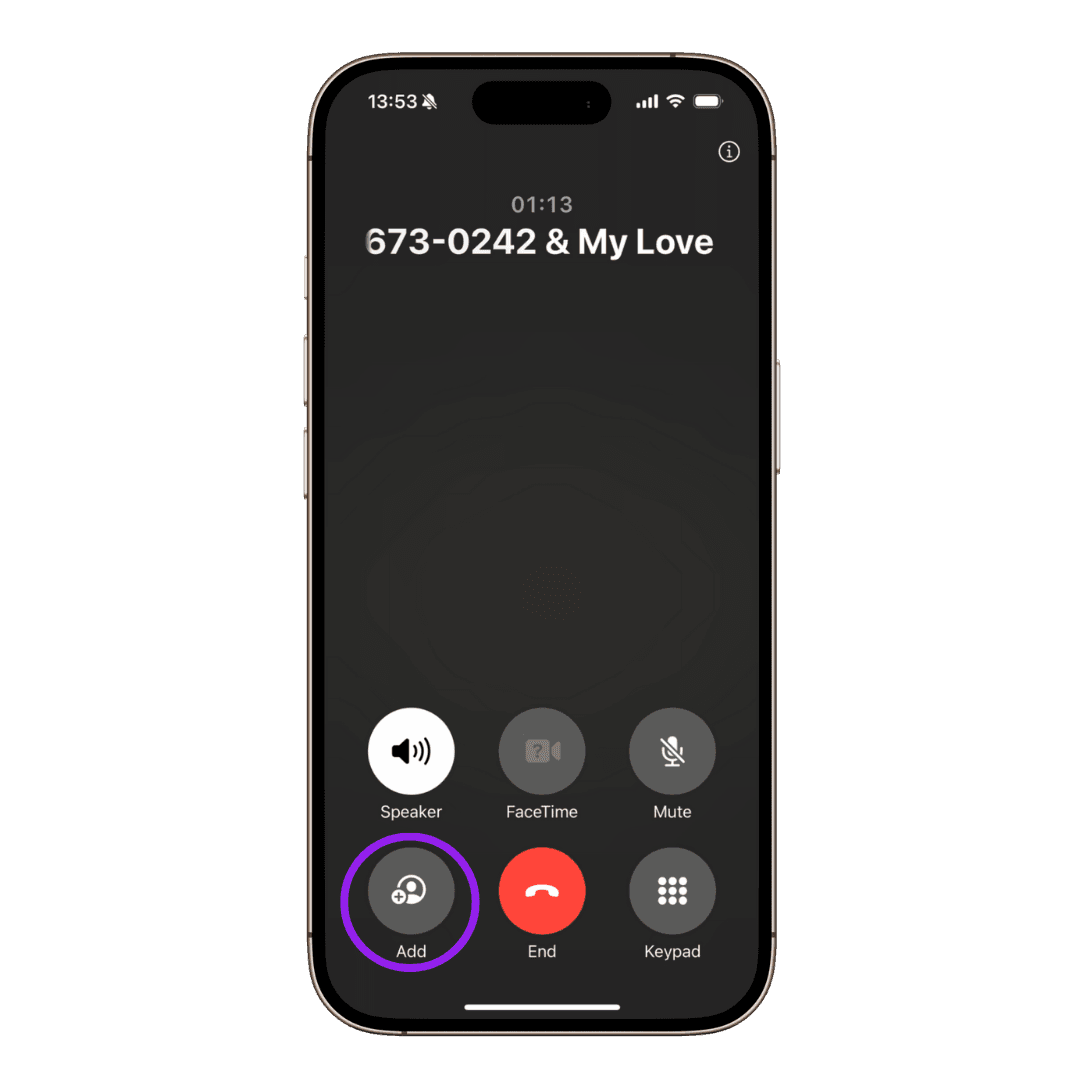
The whole mechanic is a three-way call. Your phone already knows how to do it — the recording line is just the third participant, and it stays silent for the whole conversation.
Notes, not just a recording
For an interview, the notes pull out the quotable lines and the follow-ups you promised, with the full transcript underneath to check every quote against.
You choose what kind of call it was when you collect the recording, so the notes match the conversation you actually had. The full transcript sits underneath, with each speaker labelled, so anything you rely on can be checked against what was said.
Consent, and then the source's own terms
The legal rule is the same as everywhere on this site: consent follows the participants, and if the source is in an all-party consent state, they must agree. Since sources are reached wherever they are, ask every time.
Interviewing carries a second layer on top of the legal one. A source may agree to be recorded and still expect the audio never to be published, shared with a colleague, or kept after the piece runs. Those are separate permissions. Ask for the ones you need, and do not assume agreement to record covers any of the others.
- Never record a source who has declined, however important the interview.
- Agreement to be recorded is not agreement to broadcast the audio — ask separately if you intend to publish it.
- For confidential sources, consider whether a recording should exist at all before you make one.
RecordableCall operates in the US and is offered in the 38 states where your own consent as a participant is sufficient. Consent follows the people on the call, so if anyone is in an all-party state, everyone must agree.
Questions about media & research interviews
- Can I record an interview for a story without telling the source?
- You should always tell them. Legally it depends on where each person is, and sources are reached wherever they happen to be. Professionally, recording a source without their knowledge is the kind of thing that ends a working relationship and can end a story.
- Do I need permission to publish the audio, not just record it?
- Treat them as separate permissions. Someone who agrees to be recorded so you can quote them accurately has not necessarily agreed to their voice being broadcast. Ask specifically if you intend to publish the audio.
- Is the audio quality good enough to publish?
- It is a telephone recording, so it carries the bandwidth of a phone call. That is well suited to accurate quotation and fact-checking. For broadcast audio, most producers record the guest locally at their end and use the phone recording as a backup and reference.
- How should I store a recording of a confidential source?
- Download it and hold it the way you hold other sensitive source material, delete copies you no longer need, and do not circulate raw audio internally. For a source at real risk, decide whether the recording should exist at all before you make it.
General information, not legal advice. Recording law turns on the facts of your call and on where each participant is located — see our Terms of Use and verify the current position before relying on it.
Ready to record?
Dial this number, add the other person, and merge. Your download code arrives by SMS the moment you hang up.
- +18446730242
By continuing you consent to receive transactional text messages from RecordableCall for notifications and alerts. Reply STOP to opt out, HELP for help. Message and data rates may apply. Message frequency may vary.
Already have a code? Get your recording