Recording calls for coaching and training
Coaching from memory means coaching a summary of a call, written by the person being coached. Recordings replace that with the thing itself — and the first surprise for most people is how different their call sounds from how it felt. This is the one use case where the primary listener is you, which changes what is worth capturing and how it should be handled afterwards.
Record your next coaching & training
Dial this number, add the other person, and merge. Your download code arrives by SMS the moment you hang up.
- +18446730242
By continuing you consent to receive transactional text messages from RecordableCall for notifications and alerts. Reply STOP to opt out, HELP for help. Message and data rates may apply. Message frequency may vary.
Already have a code? Get your recording
Who this is for
- Managers coaching a team that works over the phone
- New hires learning by listening to real calls
- Anyone who wants to hear their own phone manner honestly
What to listen for
Untrained listening produces the feedback everyone already knows. A few specific things are worth listening for because they are almost invisible from inside the call:
- Talk ratio. Count roughly who spoke for how long. Most people are shocked.
- What happened after a question. Silence left open is where the answer arrives; the habit of filling it is the most common fixable flaw.
- The moment of the objection, and whether it was answered or deflected.
- Filler at the start of sentences, which is usually a symptom of thinking aloud rather than a speech habit.
Giving feedback from a recording
- Pick two moments, not twenty. A recording makes it possible to find every flaw, which is exactly why coaching from one goes wrong.
- Listen together and let them speak first. People identify their own weakest moment more accurately than you will.
- Use timestamps rather than descriptions — "at four minutes" beats "when you were talking about pricing".
- Keep a small library of calls that went well. Good examples teach faster than corrections.
Coaching yourself
You do not need a manager for this. Record three of your own calls, listen to them a day later, and write down one thing to change. A day's distance matters — listening immediately, you hear what you meant to say rather than what you said.
How it works
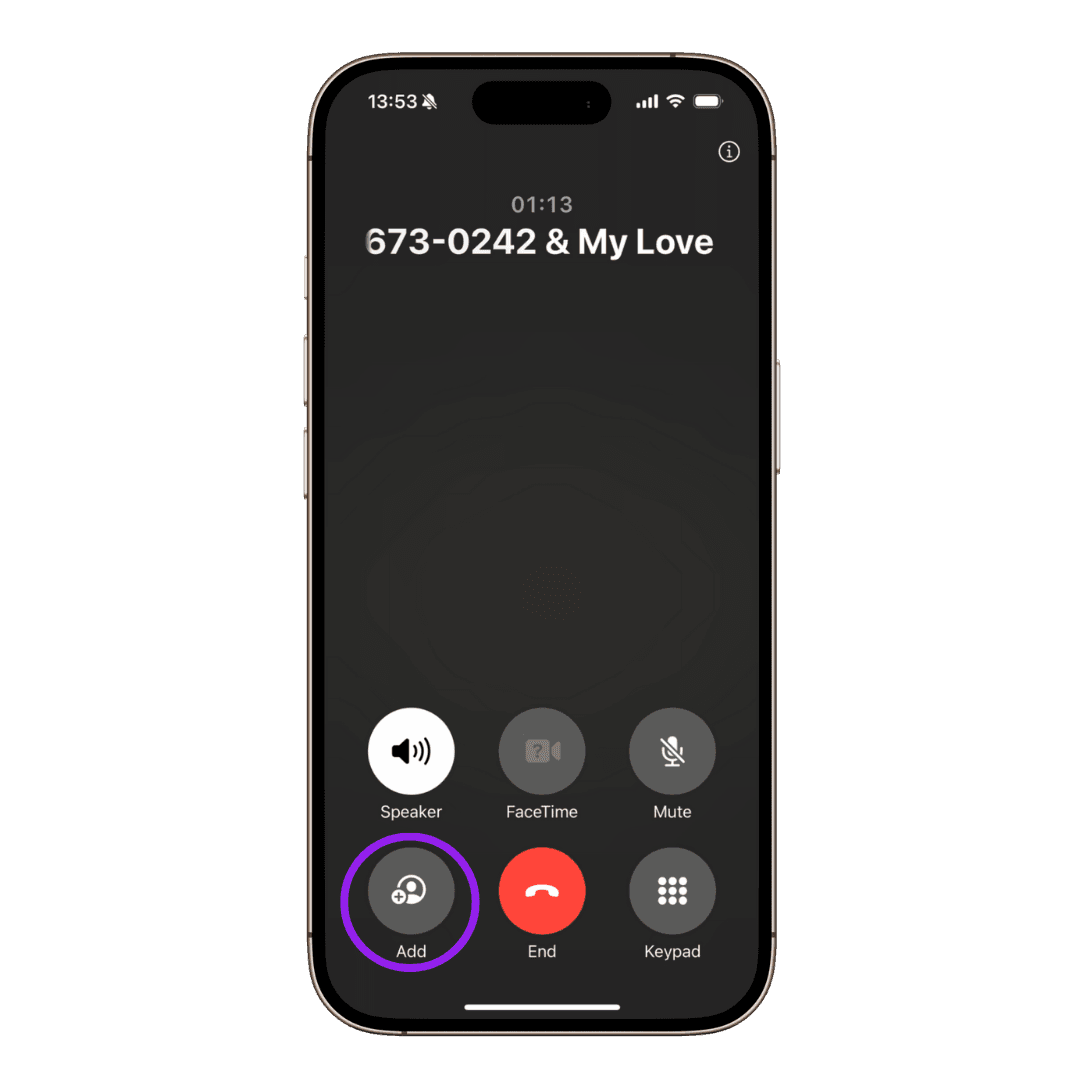
The whole mechanic is a three-way call. Your phone already knows how to do it — the recording line is just the third participant, and it stays silent for the whole conversation.
Notes, not just a recording
For a coaching review, the notes surface the moments worth replaying and what was committed to, so the conversation starts from specifics rather than impressions.
You choose what kind of call it was when you collect the recording, so the notes match the conversation you actually had. The full transcript sits underneath, with each speaker labelled, so anything you rely on can be checked against what was said.
Recording staff is different from recording yourself
Recording your own calls to improve is uncomplicated. Recording an employee's calls is employee monitoring, and it carries expectations of notice, consistency and a stated purpose that go beyond call recording law.
The other party to the call still has to be told as well. A customer does not stop having consent rights because the recording is being made for training rather than for the record — and if they are in an all-party consent state, they must agree.
- Tell staff before you start, not after the first coaching session.
- Record a role or a team consistently, never one individual selectively — singling someone out is difficult to defend.
- Say what the recordings are for and stick to it. Audio gathered for coaching that turns up in a disciplinary process breaks the trust that makes coaching work.
- Do not circulate a customer call more widely than the coaching requires.
RecordableCall operates in the US and is offered in the 38 states where your own consent as a participant is sufficient. Consent follows the people on the call, so if anyone is in an all-party state, everyone must agree.
Questions about coaching & training
- Can I record my employees' calls for training?
- Recording staff is employee monitoring as well as call recording, so tell them in advance, apply it consistently across a role rather than to one person, and be explicit about the purpose. The customer on the call must also be told, and must agree if they are in an all-party consent state.
- Do I have to tell the customer the call is recorded for training?
- Yes. The purpose does not change the consent requirement — what matters is who is on the call and where they are.
- How many calls should I review?
- Few, and closely. Two moments from one call, discussed properly, change behaviour more than a sampled review of twenty.
General information, not legal advice. Recording law turns on the facts of your call and on where each participant is located — see our Terms of Use and verify the current position before relying on it.
Ready to record?
Dial this number, add the other person, and merge. Your download code arrives by SMS the moment you hang up.
- +18446730242
By continuing you consent to receive transactional text messages from RecordableCall for notifications and alerts. Reply STOP to opt out, HELP for help. Message and data rates may apply. Message frequency may vary.
Already have a code? Get your recording